
AWD of Savannah Custom Cabinetry
In high-end residential design, the difference between a house that feels “finished” and one that feels truly intentional often comes down to how well architectural elements and cabinetry work together. In a city like Savannah—where historic charm meets modern living—this integration is even more important.
At AWD of Savannah, custom cabinetry isn’t treated as a standalone feature. It’s part of a larger architectural story that includes built-ins, arched openings, custom molding, and thoughtfully designed transitions between spaces. Whether fully custom or semi-custom, cabinetry should feel like it belongs to the home—not like it was added after the fact.
This blog explores how architectural elements and cabinetry can be designed in harmony, and how both custom and semi-custom solutions—like those from Executive Cabinetry—can be tailored to meet both aesthetic and functional goals.
Why Integration Matters in Savannah Homes
Savannah homes are rich in character. From historic downtown townhomes to newer builds in surrounding areas, architectural details play a defining role in how a space feels. Crown molding, ceiling height variations, archways, and millwork aren’t just decorative—they create rhythm, proportion, and visual continuity.
When cabinetry ignores these elements, the result is disjointed. But when cabinetry is designed with the architecture in mind, it enhances the entire space.
Integrated design achieves:
- Visual cohesion across rooms
- Improved flow between architectural features
- A more custom, high-end appearance
- Increased home value and buyer appeal
Built-Ins: Where Architecture Meets Function
Built-ins are one of the most effective ways to merge cabinetry with architecture. Unlike freestanding furniture, built-ins are designed specifically for a space, often becoming a defining feature of the room.
Common Built-In Applications:
- Living room media walls
- Home office shelving and desks
- Window seats with storage
- Library walls and reading nooks
- Dining room buffets
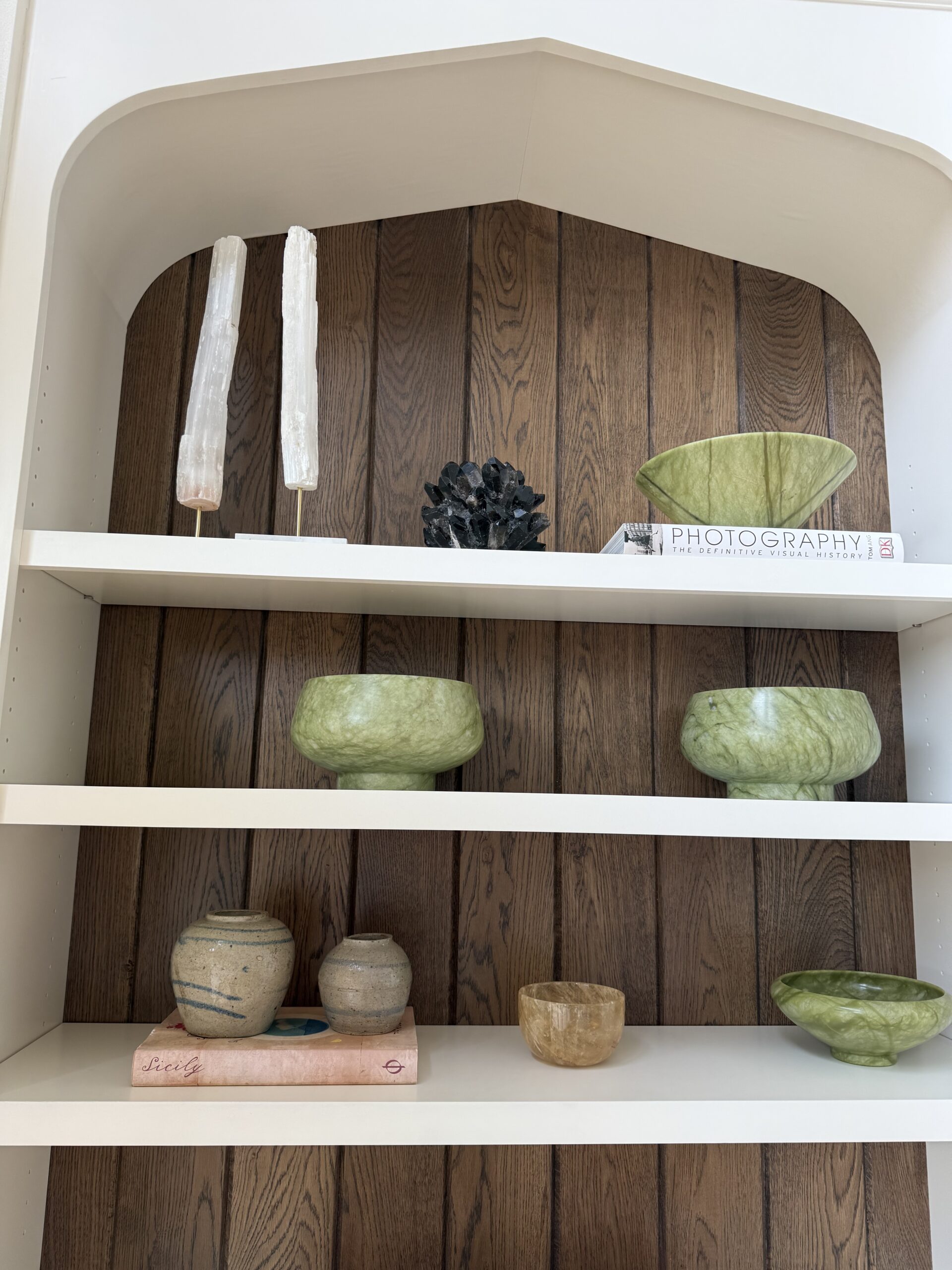
At AWD of Savannah, built-ins are designed to feel like part of the home’s original structure. This means aligning them with existing trim profiles, ceiling heights, and wall proportions.
Design Considerations:
- Scale and proportion: Built-ins should match ceiling height and room dimensions
- Material consistency: Wood species, paint colors, and finishes should complement nearby cabinetry
- Architectural alignment: Shelving lines up with moldings, windows, or archways
When done correctly, built-ins blur the line between cabinetry and architecture—they become both.
Arches: Softening Transitions
Arched doorways are a hallmark of many Savannah homes, adding elegance and softness to interior transitions. However, they present a unique challenge when integrating cabinetry.
Straight lines dominate most cabinetry designs, but when paired with curved architectural features, the contrast must be handled carefully.
Strategies for Integration:
- Echo the curve: Incorporate subtle arch details in cabinet panels or open shelving
- Balance with contrast: Use clean-lined cabinetry to highlight the arch without competing with it
- Align focal points: Position cabinetry to frame or lead into arched openings
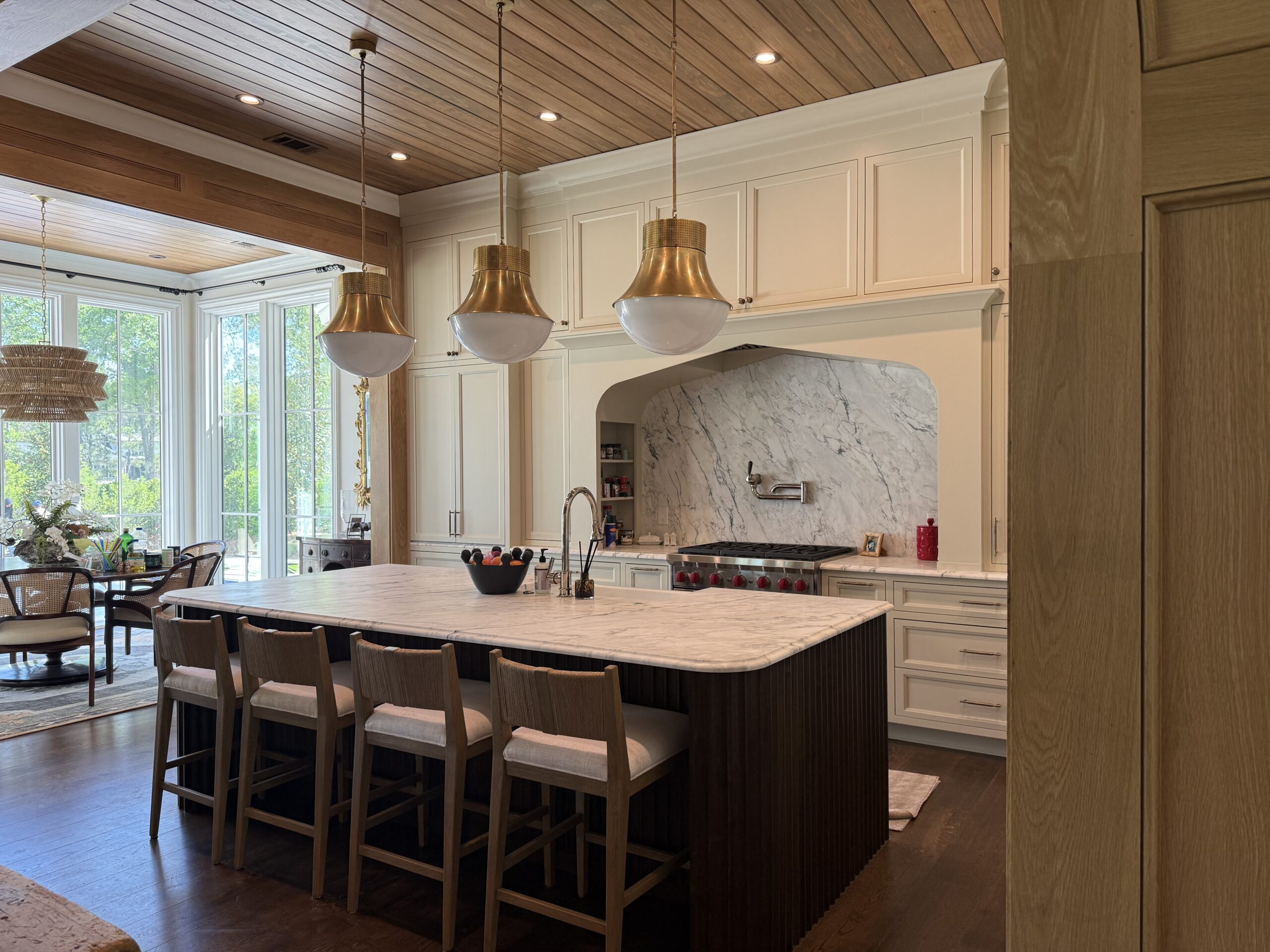
For example, a kitchen with an arched entryway can feature a custom range hood with a slight curve or a built-in hutch that mirrors the arch shape. These subtle connections create visual harmony without overwhelming the design.
Custom Molding: The Finishing Detail That Ties It All Together
Molding is often overlooked, but it’s one of the most critical elements in creating a cohesive interior. Crown molding, baseboards, paneling, and trim all contribute to how cabinetry integrates with the surrounding architecture.
Key Types of Molding in Cabinetry Integration:
- Crown molding: Bridges the gap between cabinetry and ceiling
- Light rail molding: Adds detail beneath upper cabinets
- Base molding: Connects cabinetry to flooring
- Applied panel molding: Enhances walls and ties into cabinet door styles
At AWD of Savannah, custom molding profiles are often designed to match or complement existing architectural details in the home. This ensures that cabinetry feels like a natural extension of the space.
Why It Matters:
Without proper molding, even high-end cabinetry can feel incomplete. With it, cabinetry becomes part of the home’s architectural language.
Fully Custom Cabinetry: Designed Without Limits
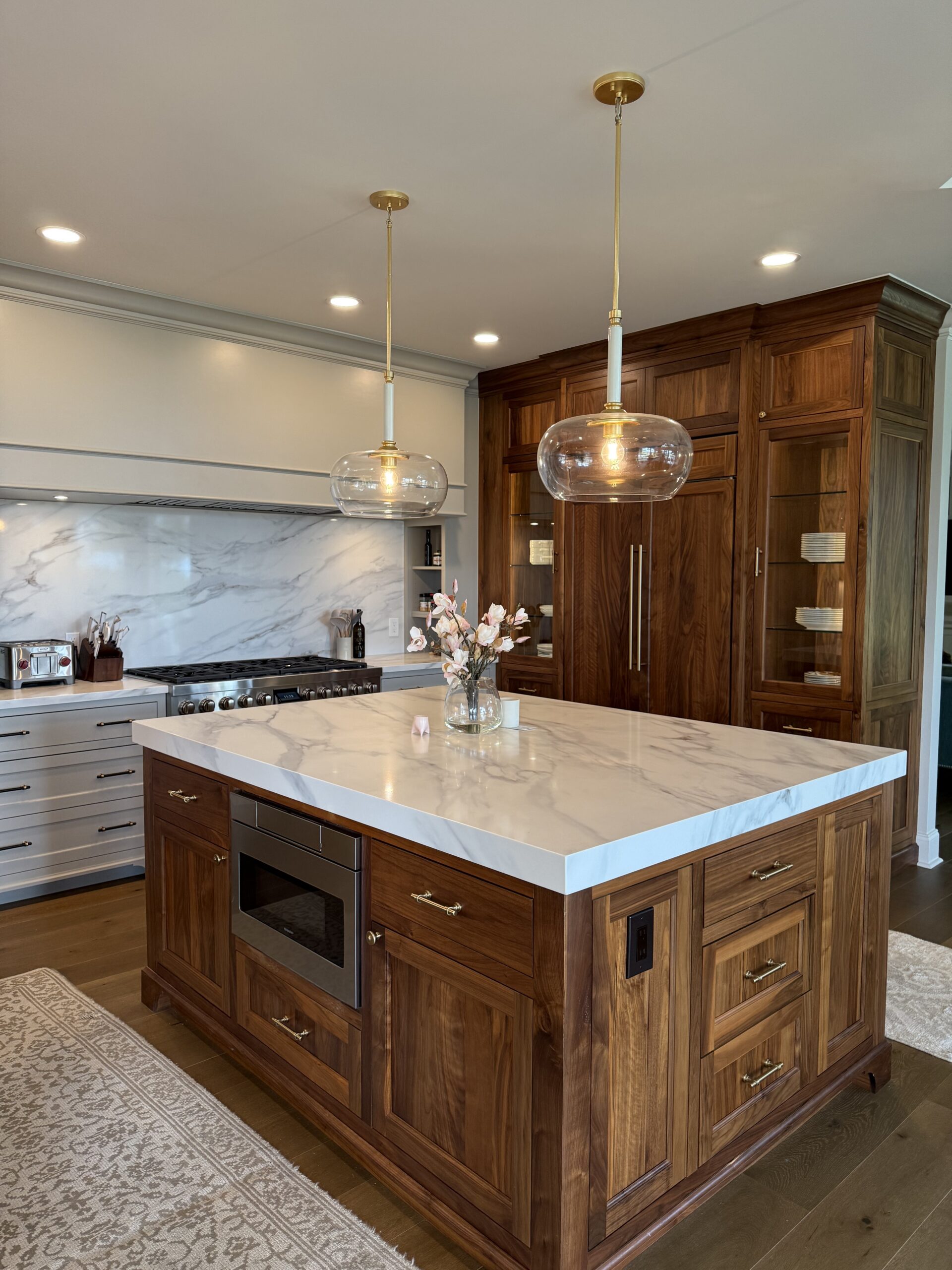
Custom cabinetry offers complete flexibility. Every dimension, material, finish, and detail is tailored to the home and the client’s needs.
Benefits of Custom Cabinetry:
- Precise fit for unique spaces
- Unlimited design possibilities
- Seamless integration with architectural features
- High-quality craftsmanship and materials
In homes with complex architectural elements—like uneven walls, historic features, or unique layouts—custom cabinetry is often the best solution. It allows designers and craftsmen to work with the architecture rather than around it.
Ideal Applications:
- Kitchens with non-standard layouts
- Historic renovations
- Feature walls and statement pieces
- Spaces requiring exact symmetry or alignment
Semi-Custom Cabinetry: Flexible, Efficient, and Elevated
While custom cabinetry offers complete freedom, semi-custom cabinetry—such as options from Executive Cabinetry—provides a highly versatile and efficient alternative without sacrificing design integrity.
Semi-custom cabinetry starts with a strong foundation of pre-designed cabinet boxes and styles, but allows for a wide range of modifications.
What Can Be Customized:
- Cabinet dimensions and configurations
- Door styles and finishes
- Hardware selections
- Interior storage solutions
- Trim and molding details
This flexibility makes semi-custom cabinetry an excellent choice for homeowners who want a tailored look with a more streamlined process.
Blending Semi-Custom Cabinetry with Architectural Elements
One of the biggest misconceptions about semi-custom cabinetry is that it can’t achieve a high-end, integrated look. In reality, when paired with thoughtful design and architectural detailing, it absolutely can.
How AWD of Savannah Elevates Semi-Custom Cabinetry:
- Custom molding additions: Enhancing standard cabinets with tailored trim profiles
- Built-in integrations: Incorporating semi-custom cabinets into larger built-in structures
- Finish coordination: Matching cabinetry finishes with architectural elements throughout the home
- Creative layouts: Designing configurations that align with arches, windows, and room flow
For example, semi-custom cabinetry can be used as the foundation for a kitchen, while custom millwork is added to create a fully integrated range hood, island detailing, or ceiling-height crown molding.
The result is a space that feels custom—without requiring every component to be built from scratch.
Designing for the Client: Function Meets Aesthetic
Every home—and every homeowner—is different. That’s why integration isn’t just about aesthetics; it’s also about how the space functions.
Questions That Guide the Design Process:
- How will the space be used daily?
- What storage needs must be addressed?
- What architectural features should be highlighted?
- What style best reflects the homeowner’s vision?
Whether using fully custom or semi-custom cabinetry, the goal is the same: to create a space that works beautifully and looks effortless.
The AWD of Savannah Approach
At AWD of Savannah, the process begins with understanding both the architecture of the home and the lifestyle of the client. From there, cabinetry and millwork are designed as part of a unified system—not separate components.
What Sets AWD Apart:
- Expertise in both cabinetry and architectural millwork
- Ability to blend custom and semi-custom solutions seamlessly
- Attention to detail in molding, proportion, and alignment
- Deep understanding of Savannah’s architectural styles
This holistic approach ensures that every project feels cohesive, intentional, and tailored.
Creating Cohesion Through Craftsmanship
Great design isn’t about individual elements—it’s about how those elements come together. Built-ins, arched doorways, custom molding, and cabinetry should all speak the same design language.
Whether you choose fully custom cabinetry or a semi-custom solution like Executive Cabinetry, the key is thoughtful integration. When cabinetry is designed in harmony with architectural elements, the result is a home that feels complete, elevated, and uniquely yours.
For homeowners in Savannah and the surrounding areas, this level of detail isn’t just a luxury—it’s an expectation. And when done right, it transforms not just the look of a home, but the way it lives. Contact us today to talk about integrating architectural elements in your next design.